


Can you design a sustainable future? Rethink materials, processes and systems as a circular innovator, building life cycle strategies that are resilient, resourceful and responsible.
Players
Minutes
Ages
Cards
How to play
Every player starts with the same credits and races to build the most sustainable version of the same product. Choose materials, processes, transport and energy sources, then track your environmental footprint as you go.
Start with credits
All players begin with the same number of credits to spend on their build.
Choose your path
Buy material, process, transport and energy cards to build your product, matching compatible colours as you go.
Track your impact
Add up your CO2 emissions and particulate matter on the emissions ruler as you build.
Trade & adapt
Trade cards and credits with other players to optimise your product and reduce your footprint.
Winning: the player with the lowest environmental impact (weighted more heavily) and the most cost-effective product wins – but the real win is realising just how many paths there are to get there.
What is LCA
Life Cycle Assessment (LCA) evaluates the environmental impacts of a product, process, or service throughout its entire life cycle, from raw material extraction to disposal. LCA helps identify emissions, resource use, and sustainability improvements.
Game Methodology
Cyclum Vitae is designed as a serious board game inspired by the intersection of LCA principles and interactive gameplay. The methodology is centred on simulating real-world decision-making processes and trade-offs in sustainability.
More interested in the logistics side of sustainability? Try Logicity, our other serious game, about Zero Emission city logistics.
Navigate real-world dilemmas
In CyclumVitae you will move through every stage of a product’s lifecycle. At each stage, you’ll be faced with real dilemmas – do you choose the cheaper but more polluting material, or a more sustainable alternative that costs more to source?
Raw material extraction
Choose from materials such as metals, textiles, plastics and more, each with its own environmental trade-offs.
Manufacturing processes
Select efficient processes and reduce emissions across your supply chain.
Usage
Consider how your product will be used, and how that affects its longevity and efficiency.
End-of-life management
Plan for disposal, recycling or repurposing to minimise your product’s environmental impact.
Inside the CyclumVitae box
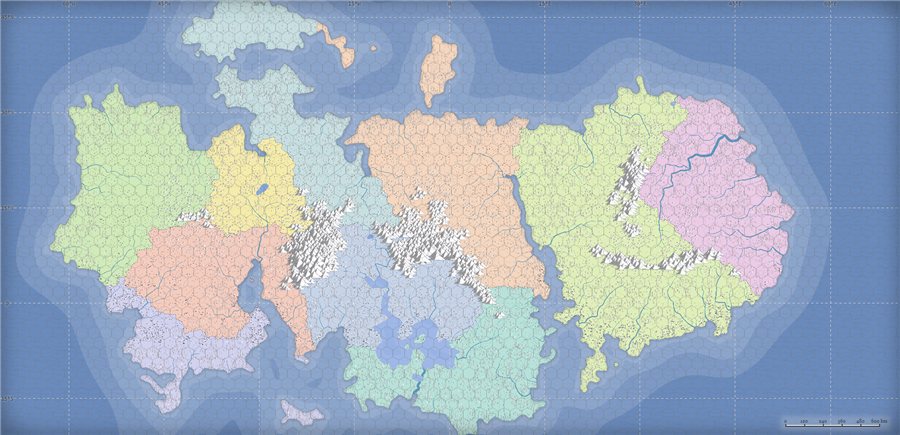
Every hex tells a story: sunny plains, geothermal vents, mountain ore and hydro-power lakes. Your starting location shapes which resources are close at hand.
250+ material & process cards
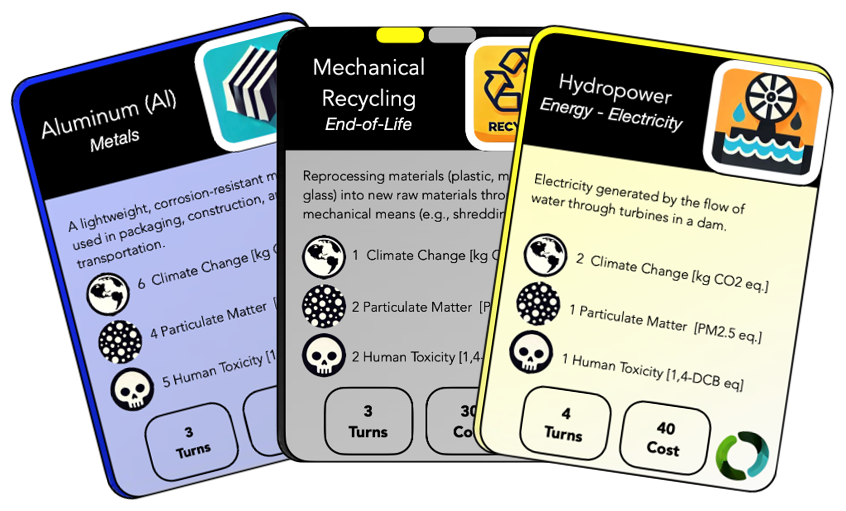
Every card shows its climate change, particulate matter and human toxicity impact, plus its turn and credit cost. Colours on each edge show which cards it can pair with.
9 energy & resource types
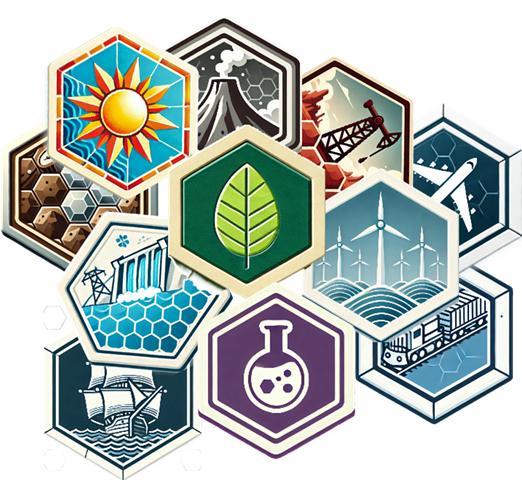
Solar, wind, hydro, geothermal, mining and more – every resource tile carries its own environmental trade-off, shaping which materials and energy sources make sense for your build.
What you'll explore
Energy Sources
How do energy sources used in production, transport, and product use impact its environmental footprint?
Material Selection
How do material choices affect environmental impacts, manufacturing processes, and end-of-life treatments?
Circular Solutions
How do end-of-life solutions, such as recycling or reuse, influence a product’s overall sustainability?
Gallery

Embed Circular Thinking in Your Team
020 36 99 883 · hello@cenexgroup.nl