News

News

Thesis: Barriers and Enablers for MCS

Are electric vehicles a technology for the rich? This has definitely been the prevailing perspective so far. But it is actually three perspectives clubbed together, and in these interesting times of rapid change, this framing is worth a closer look.

News

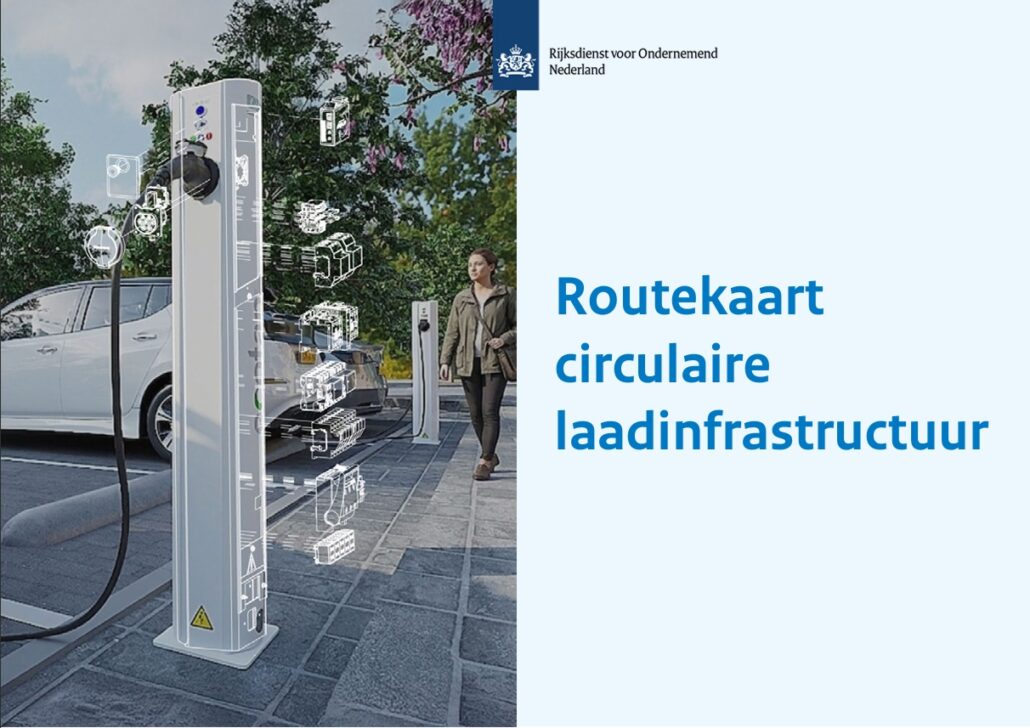
Update: Development of the Circular Charging Infrastructure Roadmap

The roadmap vision is ambitious. By 2035, charging infrastructure in the Netherlands will be indispensable, intelligently connected and seamlessly integrated into daily life — reliable, affordable and accessible to all. At the same time, the foundation is laid for a fully circular charging infrastructure by 2050.

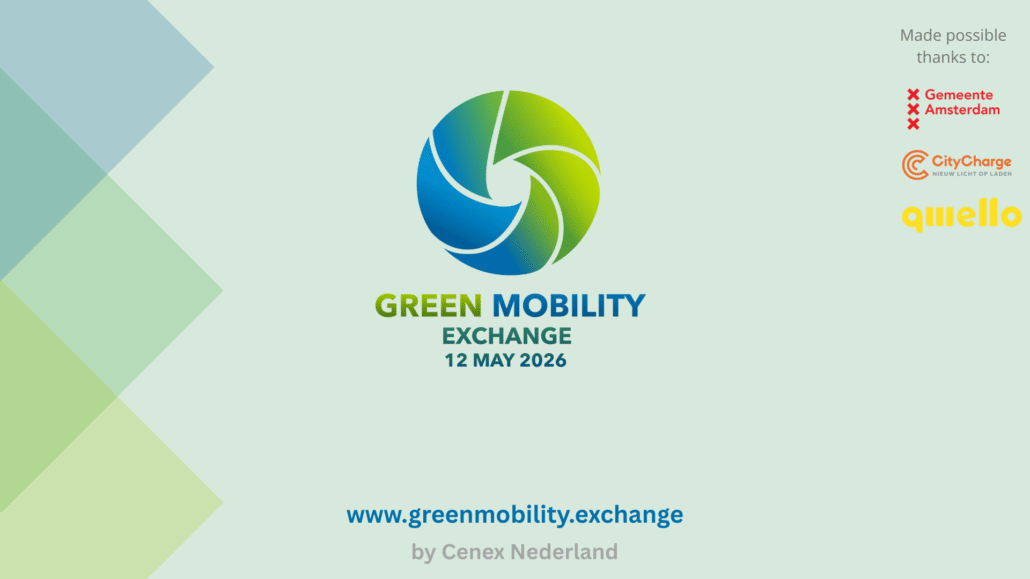
green mobility exchange logo
News

Green Mobility Exchange: Connecting Innovation, Policy, and Practice in Sustainable Mobility

On 12 May 2026, Amsterdam’s Tolhuistuin will host the Green Mobility Exchange, a one-day event designed to accelerate collaboration across the sustainable mobility ecosystem. Building on Cenex Nederland’s longstanding spring networking tradition, the event brings together industry leaders, policymakers, innovators, and researchers to explore practical solutions for zero-emission transport, clean energy infrastructure, and circular mobility systems.

News

Webinar series #3 Shared mobility

Shared mobility is often evaluated through numbers: costs, emissions, utilisation. While these metrics are essential, they rarely explain why travel habits are so resilient, or why many shared mobility initiatives struggle to move beyond early adopters. What is often missing is the everyday experience of users; their sense of risk, convenience, trust, and control.
Rather than promoting a specific solution, this webinar explores how people actually experience different ways of accessing a car, from private ownership to commercial and community-based sharing. It looks at why cost comparisons alone might not always trigger change, how predictability and perceived risk shape decisions, and what participants describe when shared mobility genuinely works. By focusing on these experiences, the session offers insights into how cities can create conditions in which shared mobility feels credible, normal, and worth adopting.