mobility

News

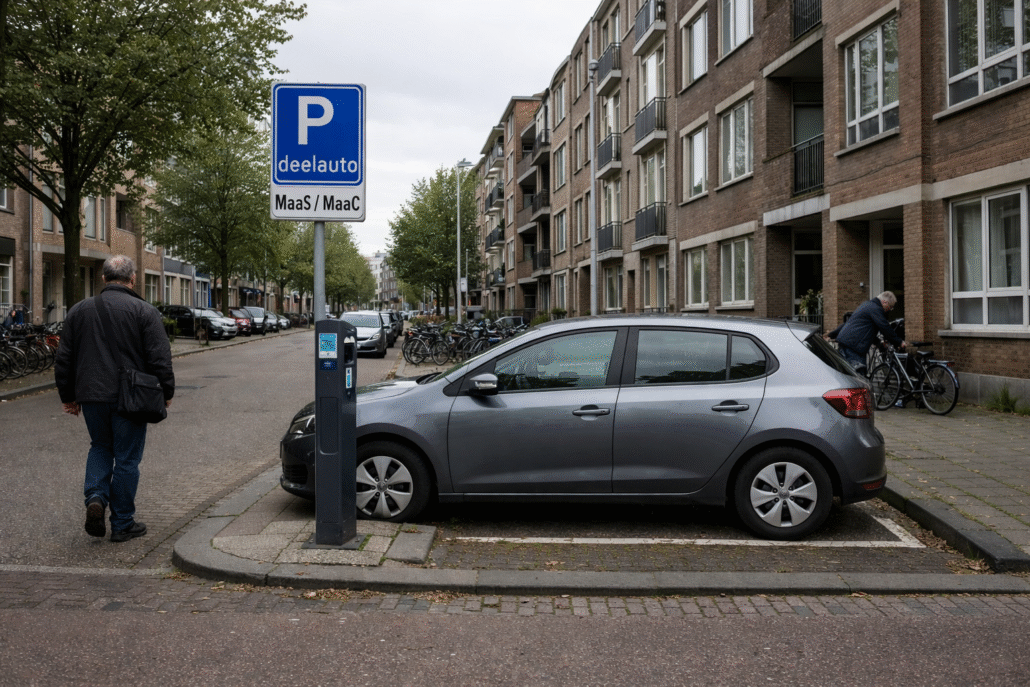
Webinar series #3 Shared mobility

Shared mobility is often evaluated through numbers: costs, emissions, utilisation. While these metrics are essential, they rarely explain why travel habits are so resilient, or why many shared mobility initiatives struggle to move beyond early adopters. What is often missing is the everyday experience of users; their sense of risk, convenience, trust, and control.
Rather than promoting a specific solution, this webinar explores how people actually experience different ways of accessing a car, from private ownership to commercial and community-based sharing. It looks at why cost comparisons alone might not always trigger change, how predictability and perceived risk shape decisions, and what participants describe when shared mobility genuinely works. By focusing on these experiences, the session offers insights into how cities can create conditions in which shared mobility feels credible, normal, and worth adopting.

News

Hydrogen Mobility Europe: Project Successfully Concludes

The initiative, supported by funding from the Clean Hydrogen Partnership (formerly Fuel Cells and Hydrogen 2 Joint Undertaking), has brought together action in nine European countries. It tested the innovations required to bring hydrogen mobility sector closer to readiness for market. The project successfully performed a large-scale market test of hydrogen refuelling infrastructure, passenger and commercial FCEVs operated in real-world customer applications. It further demonstrated the possible system benefits generated by using electrolytic hydrogen solutions in grid operations. H2ME 2 (2016 – 2023) is the natural successor to the Hydrogen Mobility Europe (H2ME 1) project (2015 – 2020). Taken in conjunction, the H2ME 1 & 2 projects are the most ambitious coordinated hydrogen deployment projects attempted in Europe to date. The deployments intended to test and develop the European hydrogen market and performance of the technology, prove technologies at scale and apply learning to overcome some of the barriers to more widespread application.

News

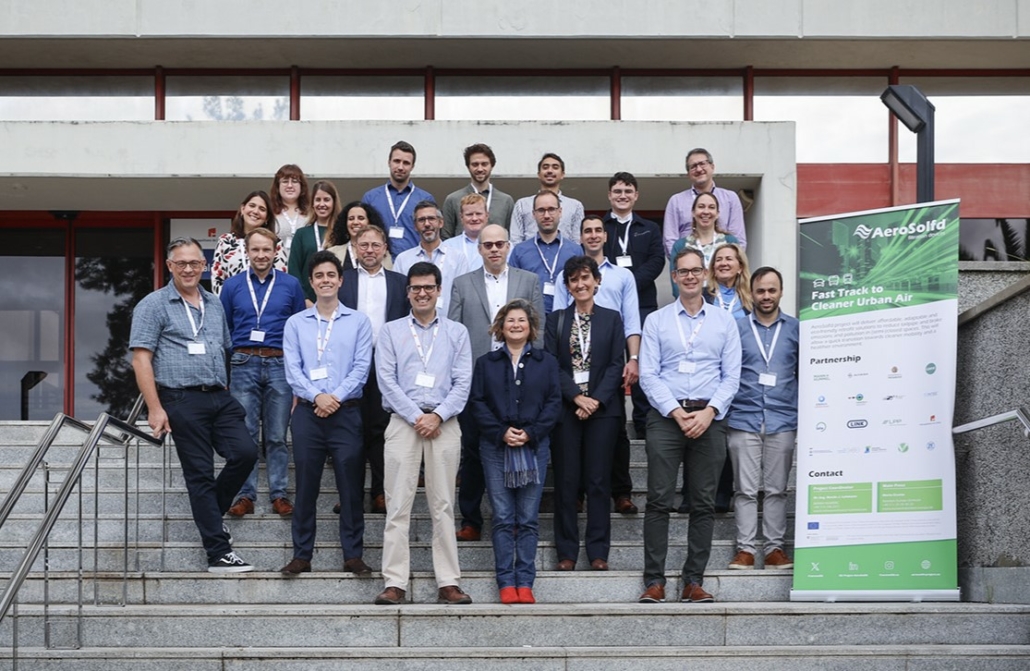
EU Project AeroSolfd 3rd General Assembly

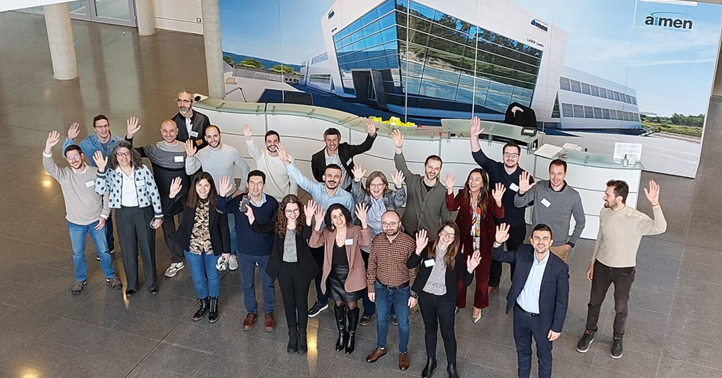
The AeroSolfd project, co-funded by the European Union, recently convened its General Assembly in Lisbon, bringing together 17 partners from eight European countries. The assembly, hosted by the Metropolitano de Lisboa from the 25th to the 27th of October, addressed the project’s progress, specifically focusing on each work package’s advancements.

News

Succesful LEVIS partner meeting in rainy VIGO

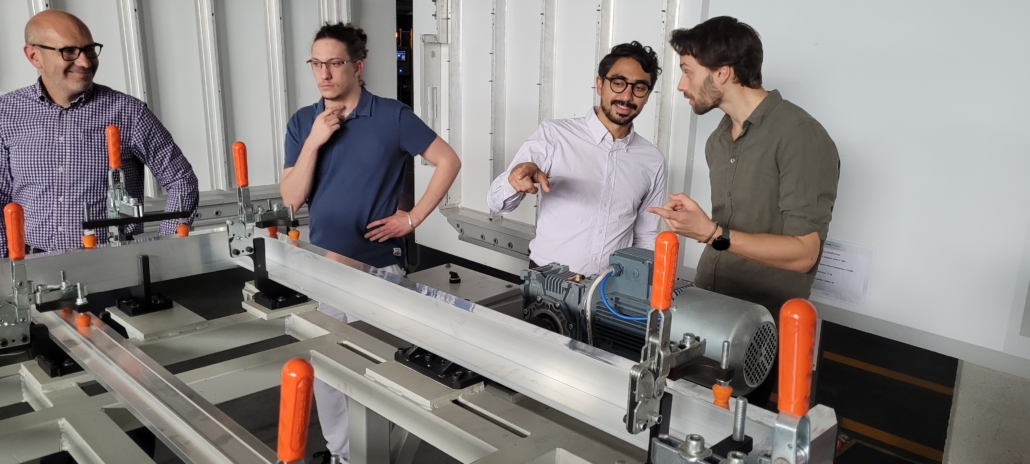
The partners in the LEVIS project met to discuss progress in developing lightweight EV components using eco-design and circular economy approaches. The consortium will demonstrate the feasibility of producing these components in three real-case demonstrators. The meeting covered designs, trials, strategies, and solutions for modelling and simulations, while discussing next steps.

News

LEVIS project 6 months update

Already six months into the H2020 LEVIS (Advanced Light materials for sustainable Electrical Vehicles by Integration of eco-design and circular economy Strategies) project! Time for all the partners to meet up and discuss all the progress that has been made on the lightweight electric vehicle components.

News

The LEVIS project has officially started!

[av_section min_height=” min_height_pc=’25’ min_height_px=’500px’ padding=’default’ margin=” custom_margin=’0px’ color=’main_color’ background=’bg_color’ custom_bg=” background_gradient_color1=” background_gradient_color2=” background_gradient_direction=’vertical’ src=” attach=’scroll’ position=’top left’ repeat=’no-repeat’ video=” video_ratio=’16:9′